
CLIMATE ADAPTATION
NATURAL ECOSYSTEMS
HEALTHY CITIES

SMART CITIES

CLIMATE ADAPTATION
The increasing effects of climate change are pushing climate adaptation to the forefront of our global priorities and local actions. By mainstreaming climate adaptation into spatial planning, financial investments and political decision making, we help to build a climate-resilient world with greener environments and improved livelihoods. Public and private organisations are investing trillions of dollars in new buildings, roads, levees and other assets, why wouldn’t we include climate adaptation measures at the same time?
Seizing this opportunity, we must align key actors and stakeholders to plan our cities and infrastructures in a holistic and integrated way.
WHAT DO WE DO?
We overcome the governance, funding and technical barriers by implementing concepts and solutions such as building with nature, blue-green infrastructure (BGI) or nature based solutions (NBS), climate-resilient asset management and investment planning, social innovation, sustainable procurement, and peer learning. Together with many of our partners, we shape the world into a more liveable, safer and sustainable place.

BUILDING CLIMATE-RESILIENT COMMUNITIES
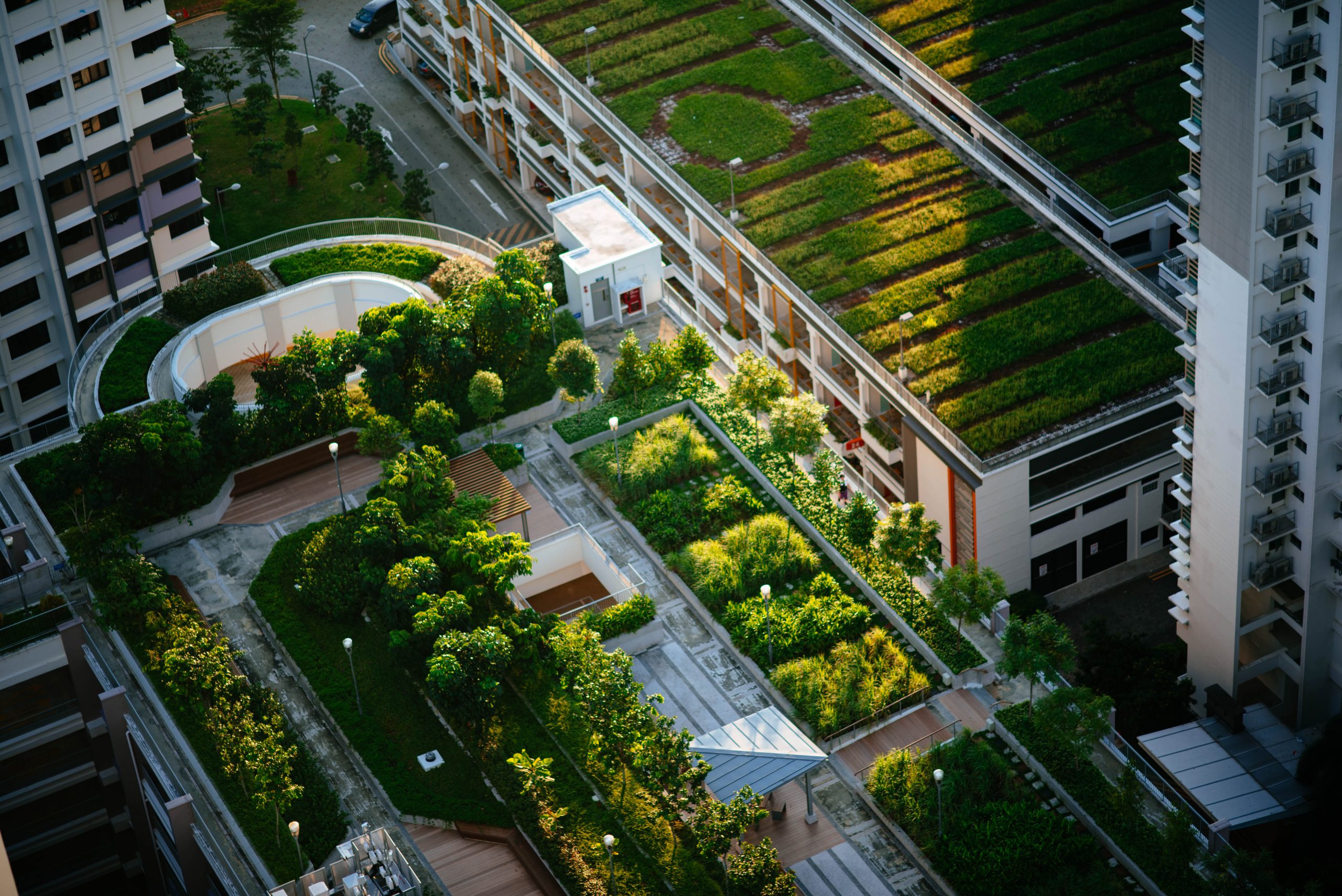
Key issues in climate adaptation like dealing with flooding, drought, heavy rainfall and other complex scenarios affect local, regional, national and international communities. We facilitate the valuation and implementation of the most relevant eco-based solutions – replacing traditional grey infrastructure with blue-green infrastructure or nature based solutions such as green corridors and roofs, permeable paving, rainwater harvesting systems.

LEVERAGING PROCUREMENT FOR SUSTAINABILITY AND ADAPTATION
Procurement has proven to be a very powerful tool for sustainability and climate adaptation. We are promoting the development and uptake of a circular procurement framework, contributing to limit climate change effects but also increase the adoption of climate adaptation solutions while fostering eco-innovation.

FOSTERING TRANSNATIONAL COLLABORATION
Many of our clients including cities, private companies and national governments work within a different context but are dealing with similar challenges. Peer-to-peer collaboration allows these stakeholders to learn from each other’s successes and failures, fosters the sharing and exchange of knowledge, expertise and tactical know-how, and provides an opportunity to inspire. For these reasons, we are successfully applying novel City-2-City, Procurer-2-Procurer and Farmer-2-Farmer approaches in various projects, and have developed platforms and channels for continuous dialogue and knowledge transfer.

FORMING IMPACTFUL GLOBAL ALLIANCES
We help societies across the world become more resilient to climate-related threats. We are experienced in convening multiple stakeholders, governments, the private sector, civil society, intergovernmental bodies, and knowledge institutions to recognise, build and promote excellence to accelerate climate adaptation.

OPTIMISING INVESTMENT PLANNING
The effects of climate change are a major risk for loss of life and economic damage for governments, investors, businesses and banks. By considering the climate change risks in investment planning and asset management, it will allow future infrastructure, assets and markets to be more resilient to the effects of climate change. We have experience in optimising investment planning by exploring the mainstreaming of these investments with other policy domains and help identify cost-optimal adaptive infrastructure upgrades by exploring a variety of technical designs: with adaptability and life-cycle costing for various performance levels.
NATURAL ECOSYSTEMS
Driving nature-inclusive practices with innovative approaches to enhance ecosystems and their environmental services.
We are working to revert current trends of environmental degradation by promoting nature-inclusive practices and solutions that help reconcile socio-economic prosperity with the conservation and restoration of our natural assets.
WHAT DO WE DO?
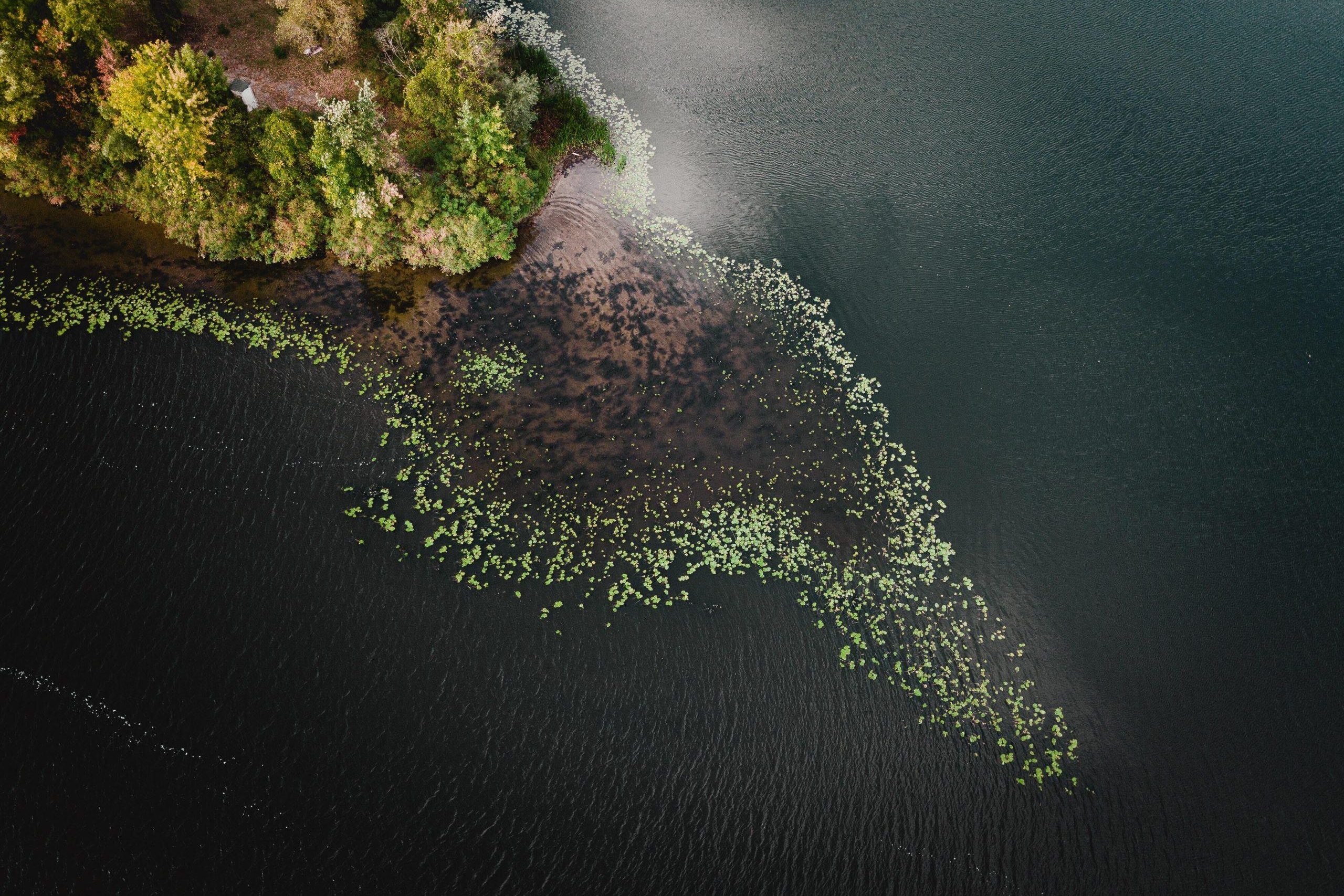
Natural ecosystems provide essential services to all communities who either directly or indirectly rely on them. This includes the permanent storage of carbon, air and water purification, attenuation of heat stress, soil and marine sediment retention, provision of natural resources, regulation of local and regional climate patterns, among many others.
Current socioeconomic models still fail to fully recognise the important role of natural assets for people, economies and the planet and to prioritise their conservation and recovery. Climate change, pollution, extractivism and other anthropogenic activities are deteriorating the world’s terrestrial and marine ecosystems at an unprecedented rate, which has led to a global climate and biodiversity crisis.
With the current rate of depletion of our natural assets and of the services they provide, the need to rethink the models that govern how our societies and economies relate to nature becomes ever more important.

BUILDING GLOBAL ALLIANCES
Bring together the right stakeholders to transfer knowledge and take action on all necessary levels from policy (nature directors, NGOs) to practice (farmers, landowners, fishers).

DESIGNING & IMPLEMENTING STRATEGIES
Develop, test and scale models and solutions (e.g., policies and governance, financing schemes, data) that prioritise the multiple values of natural assets and ecosystem services.

THOUGHT LEADERSHIP
Raise the profile of nature-based solutions as an effective way to address the challenges we face today (eutrophication, climate change, soil degradation, water and air pollution).

REPLICATION & KNOWLEDGE EXCHANGE
Drive environmentally-positive behavioural change through awareness raising and capacity building.
HEALTHY CITIES
Two-thirds of the European population lives in cities. Rapid urbanisation is creating negative impacts on the environment, human health and well-being, especially in deprived neighbourhoods, due to air pollution, noise, climate risks, lack of social cohesion, lack of physical activity and disconnection from nature. Cities have a pivotal role in facilitating improved health and well-being by creating and providing the right physical, social, cultural and economic places and services.
We help cities evaluate and plan their neighbourhoods to address health, well-being, and social & environmental challenges.
WHAT DO WE DO?

HEALTHY CITIES GENERATOR
We offer workshops and trainings on urban planning for health. Using the Healthy Cities Generator a hands-on, practical planning tool designed to give actionable indicators for anyone looking to integrate health into planning – we can help your team evaluate the health impact of urban planning actions to reveal how small adjustments could make a big difference to the lives of local people.

FACILITATE CROSS DEPARTMENTAL/CROSS-AGENCY COLLABORATION
To become a liveable city you need to mainstream multiple policy objectives horizontally across various departments and organisations, their priorities and actions. We help facilitate your working groups to effectively deliver multiple co-benefits through your urban planning processes and investment programmes.

BUSINESS MODELS OF NATURE BASED SOLUTIONS FOR ENVIRONMENT, HEALTH AND WELL-BEING
Existing nature-based solutions (NBS) are being tested that primarily focus on delivering ecosystem services, but they are not designed specifically for health and well-being. There is a need for innovative solutions that go further to integrate even more urban issues.
Moreover, we need the evidence base to measure and value these solutions (e.g. what is the exact influence on air quality? Or the impact on improved health?). We can help create the business and the financial and governance models for their wider deployment.

ACTIVE MOBILITY AND PUBLIC TRANSPORT
To help local authorities develop and reach their Healthy City ambitions, we support urban planning, mobility strategies, investment planning and urban management to promote and coordinate active mobility and use of public transport.
SMART CITIES
Local authorities want to leverage data and digitalisation to make cities smarter and a better place to live for citizens. (Better) use of data and digital solutions offer cities effective ways to improve the efficiency and quality of public services while solving challenges related to urban unsustainability (air and noise pollution, flood risk etc.). We help cities bring together the technology, tools, processes and citizens to develop and execute cross-sector smart city strategies.We help develop smarter cities by sharing knowledge, data, and resources.
WHAT DO WE DO?

DESIGNING DIGITAL STRATEGIES
We turn policy ambitions and objectives into a strategy and action plan to achieve digitalisation and improve public services while making cities smarter and more sustainable. We include all stakeholders with a special focus on citizen involvement.

LAUNCHING OPEN CALLS AND ACCELERATORS
There are several ways challenges and their corresponding data sets can be presented to the market, one being an open call to which solution providers like start-ups can apply. We provide guidance to optimise your open call. From clearly defining the challenge to defining clear expectations with selected startups, this knowledge can prove especially useful since small-and medium-sized cities often lack the resources (manpower, expertise and/or money) to efficiently promote and run an open call.

DEVELOPING INNOVATION FRAMEWORK
We support cities of all sizes on their path to become more sustainable and liveable through the use of innovative solutions/through digitalisation. We help them step-by-step from the identification and share of common urban challenges among our network of European cities and regions to the opening up of dataset and innovative procurement.

REPLICATING OPEN-SOURCE SOLUTIONS
Cities in Europe face many similar urban challenges. By sharing and replicating each other’s solutions, delivering public services can become more efficient and costs can be decreased. We help cities connect, collaborate and scale up solutions, adapting them to the local context.
idea to global centre by building relationships and formalising partnerships, mobilising resources, developing its business and organisational model, drafting its first working programme and strong communications.
 Invastify